

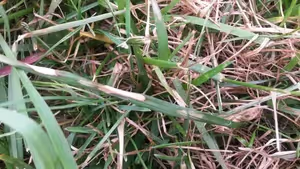
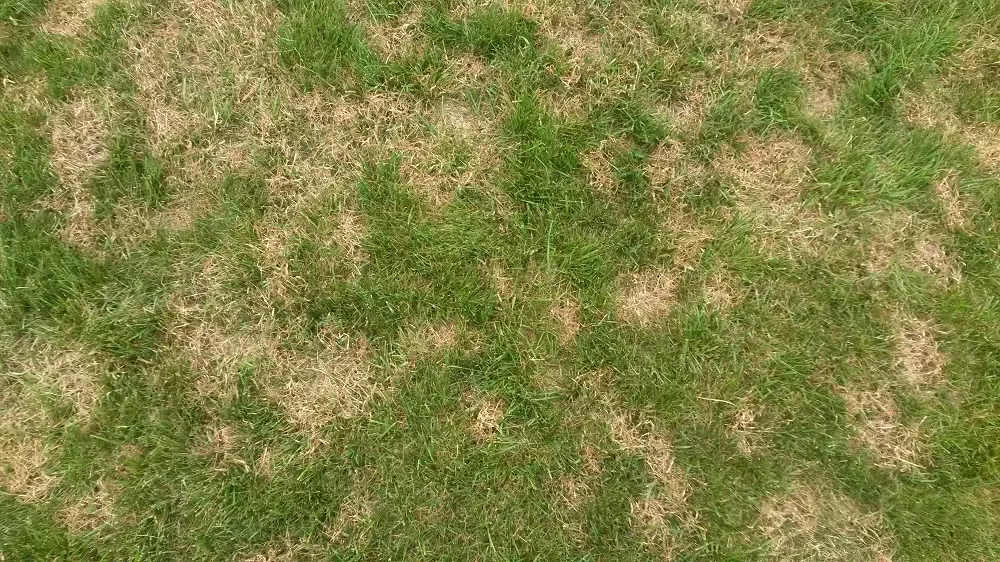
Brown patch in fescue lawn
Brown Patch (Rhizoctonia solani) is one of the most common and destructive fungal diseases affecting cool-season grasses like tall fescue and perennial ryegrass, as well as warm-season lawns such as bermudagrass and zoysiagrass. It thrives when high humidity combines with warm days (above 80°F) and mild nights (above 65°F)—a common weather pattern in late spring through early fall across the Southeast.
Left unchecked, Brown Patch can quickly cause large, unsightly areas of turf damage. However, with proper cultural practices and an understanding of the conditions that promote disease development, you can significantly reduce the risk.
Avoid applying fast-acting, high-nitrogen fertilizers between March 15 and September 15. Excess nitrogen encourages soft, lush growth that’s more prone to fungal infection.
Improper mowing is a major contributor to turf stress and disease.
Fescue: Maintain at 3" or higher
Bermudagrass: Keep around 2.5"
Cutting too short limits the plant’s ability to photosynthesize, weakening its defense system. Letting grass grow too long increases humidity near the soil—prime conditions for Brown Patch.
Fungal diseases thrive on wet leaf surfaces. Watering at the wrong time of day can make things worse.
Water early in the morning (5–9 AM) so grass dries out by midday.
Avoid watering in late afternoon or evening when water sits on blades overnight.
You can’t prevent dew or rain, but avoiding nighttime irrigation reduces risk.
Core aeration alleviates soil compaction and increases airflow—critical for lowering humidity at the base of your lawn.
Brown Patch is most likely to appear:
After summer rainstorms
During stretches of hot, humid nights
Following heavy nitrogen application
Look for irregular, yellowish patches with a darker, possibly gray or purplish “smoke ring” border. If Brown Patch does develop, early treatment with a fungicide can limit damage, but long-term prevention starts with healthy maintenance.
NC State Extension: Brown Patch in Turf
University of Kentucky Plant Pathology: Brown Patch
Penn State Extension: Turfgrass Diseases: Brown Patch

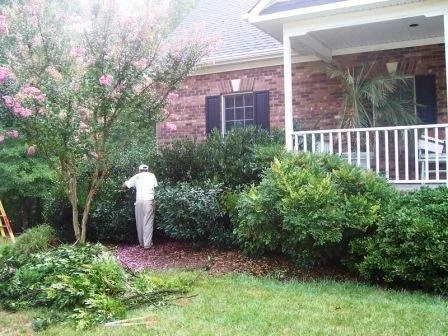
Here are the common ways your landscape is telling you it needs help.

Controlling fall and winter weeds is a constant battle. Here are some of the reasons control can be difficult.
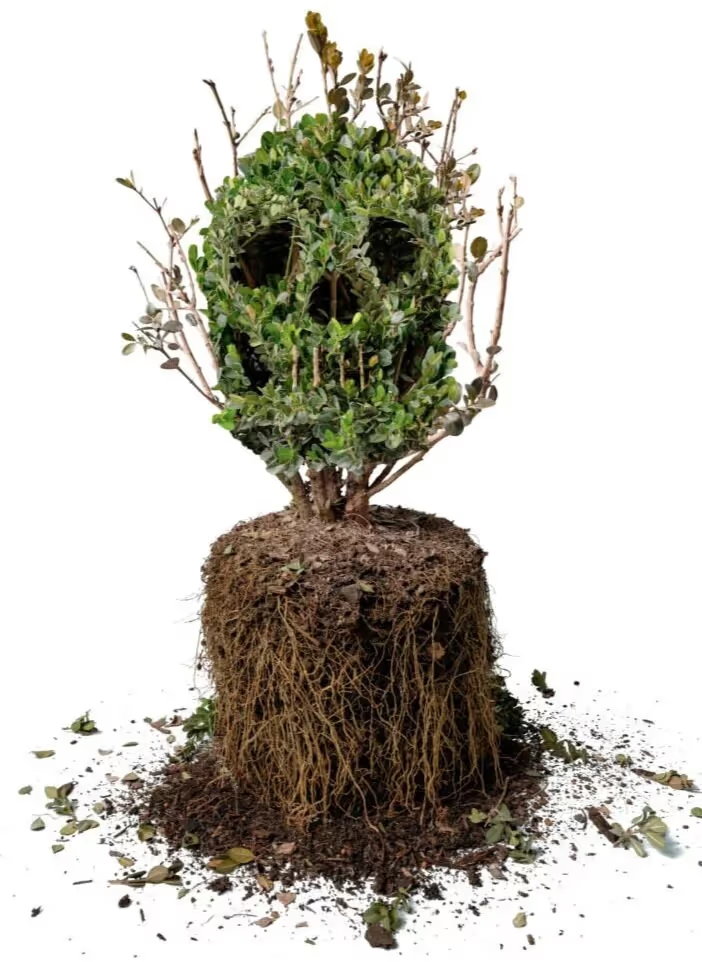
New Garden Landscaping & Nursery feels that Boxwood Blight could have a major impact on landscapes containing boxwood in the near future. Here’s what you need to know about the disease.
Since fall is the time to plant spring blooming bulbs, here are the answers to some common questions about bulbs.
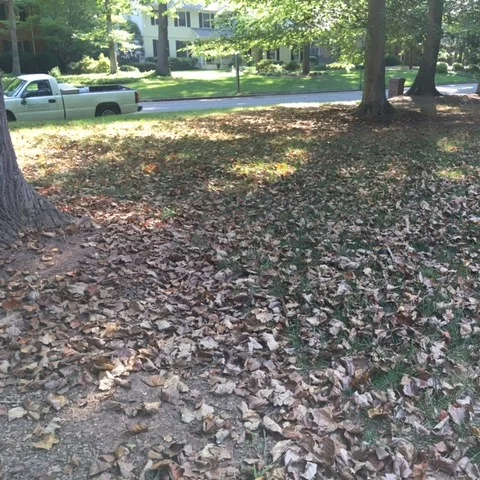
Don't panic, there are a few common (and benign) reasons that trees drop leaves in summer.
Have a question or want to discuss your property? Fill out the form below, and we’ll get back to you as soon as we can!