

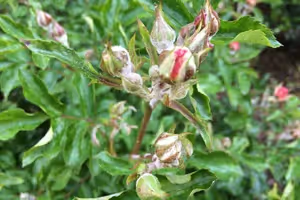
Plenty of customers & clients are telling us that they are having trouble with two unattractive fungal issues this spring: powdery mildew and sooty mold. Here’s what you need to look for so you can avoid (or minimize) the effects on your plants by catching the problem and treating it early.
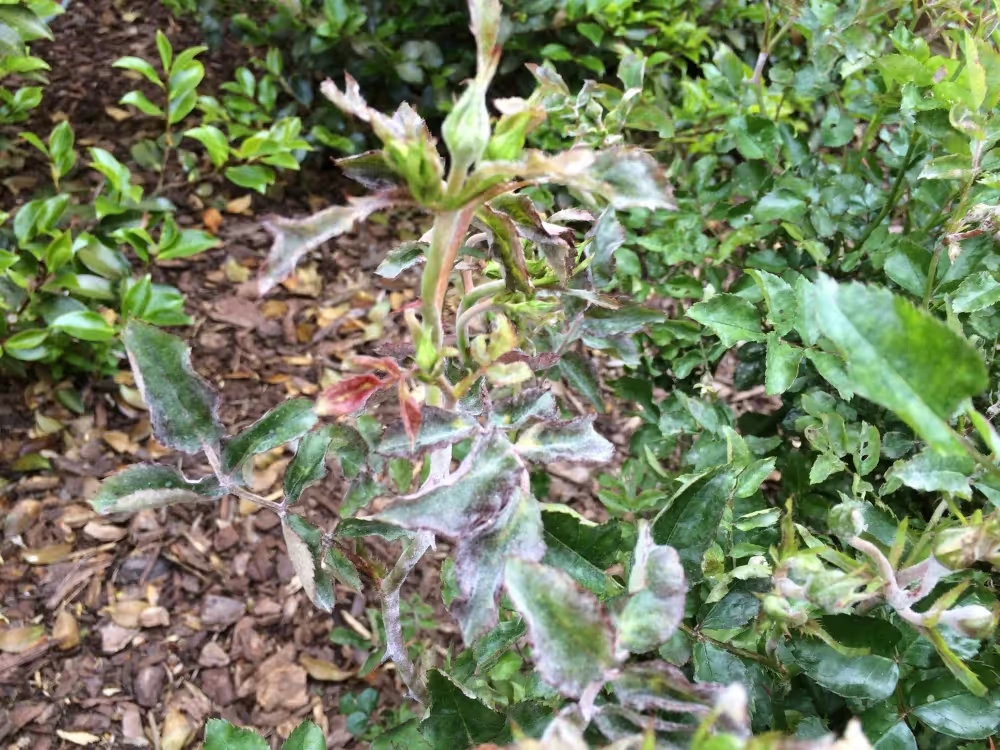
Powdery mildew on Knockout rose. Note the puckering & distortion of the leaves.
Symptoms: White or gray fuzzy coating on the upper side of leaves and sometimes stems. Commonly seen on roses, monarda (bee balm), crape myrtle, and garden phlox, though it can affect almost any plant. Severity can range from isolated spots to compete coverage of affected areas.
Caused by: Moderate temperatures and high humidity but low rainfall encourage powdery mildew growth. Spores of powdery mildew are widespread in the air and soil and will attack susceptible plants when conditions are favorable.
Impact: In most cases powdery mildew will not kill a plant outright, but can be very cosmetically damaging. Leaf distortion and yellowing or other discoloration is common, and it can promote bud loss on flowers. Severe cases or cases that begin early in the season and persist long-term can weaken a plant, or prove to be the fatal blow to an already weakened plant.
Treatment: Powdery mildew can be managed but rarely eliminated once it starts. Preventive sprays may be worthwhile for susceptible plants. Once the fungus is observed, treatment must be applied regularly for as long as conditions are favorable for development. Products containing chlorothalonil, propiconazole, or neem oil (organic) are effective. Home remedies that work include baking soda sprays (1 tablespoon of baking soda and 1 teaspoon of insecticidal or dish soap-do not use detergent-in a gallon of water. Spray every 7 to 14 days) and solutions of milk (one part milk to two parts water, sprayed every 7 to 14 days).
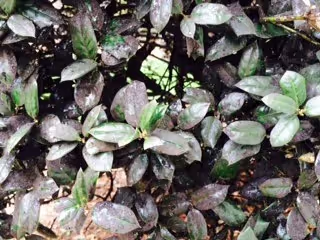
Sooty mold on shrub holly.
Symptoms: Black coating on upper side of leaves. It may appear as a dark haze, or be thick enough to turn the leaves entirely black. It has a dry appearance, not slimy or sticky. It may appear on the top growth or the lower growth of the affected plant. It can appear on any plant.
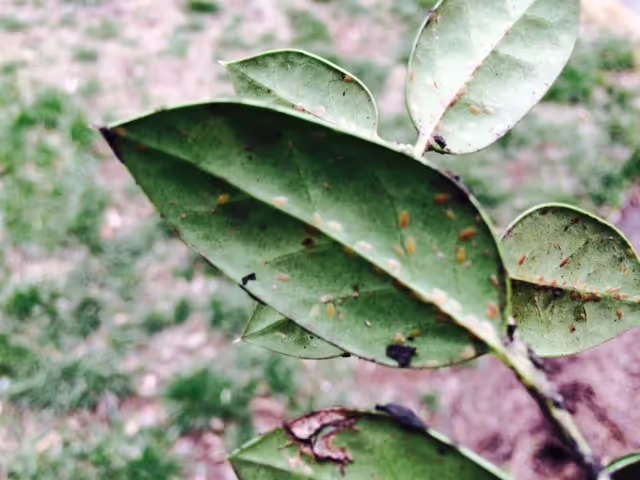
Scale infestation that caused sooty mold on the leaves beneath them.
Caused by: Sooty mold is a fungus that grows on “honeydew”, the excrement of insects like scale, aphids, whitefly and mealybug. For some cryptic insects like scales, sooty mold may be the first indication that there is an infestation.
Impact: Mostly cosmetic, as the fungus does not invade plant tissues or cause direct damage. However, the coating can restrict sunlight from reaching the leaf and reduce the ability to photosynthesize. This is generally only a problem for already weakened or sick plants.
Treatment: Look at plants above the affected plant if sooty mold is found on the upper part of the plant, or at the upper growth of the same plant if affected leaves are at the bottom. You will undoubtedly find an infestation of one of the insects mentioned above. Treat the insect problem and the mildew growth will stop. (Specific treatment will be determined by type of insect found.) The mold itself is difficult to remove and usually needs to be left to weather off naturally, or be covered by new growth.


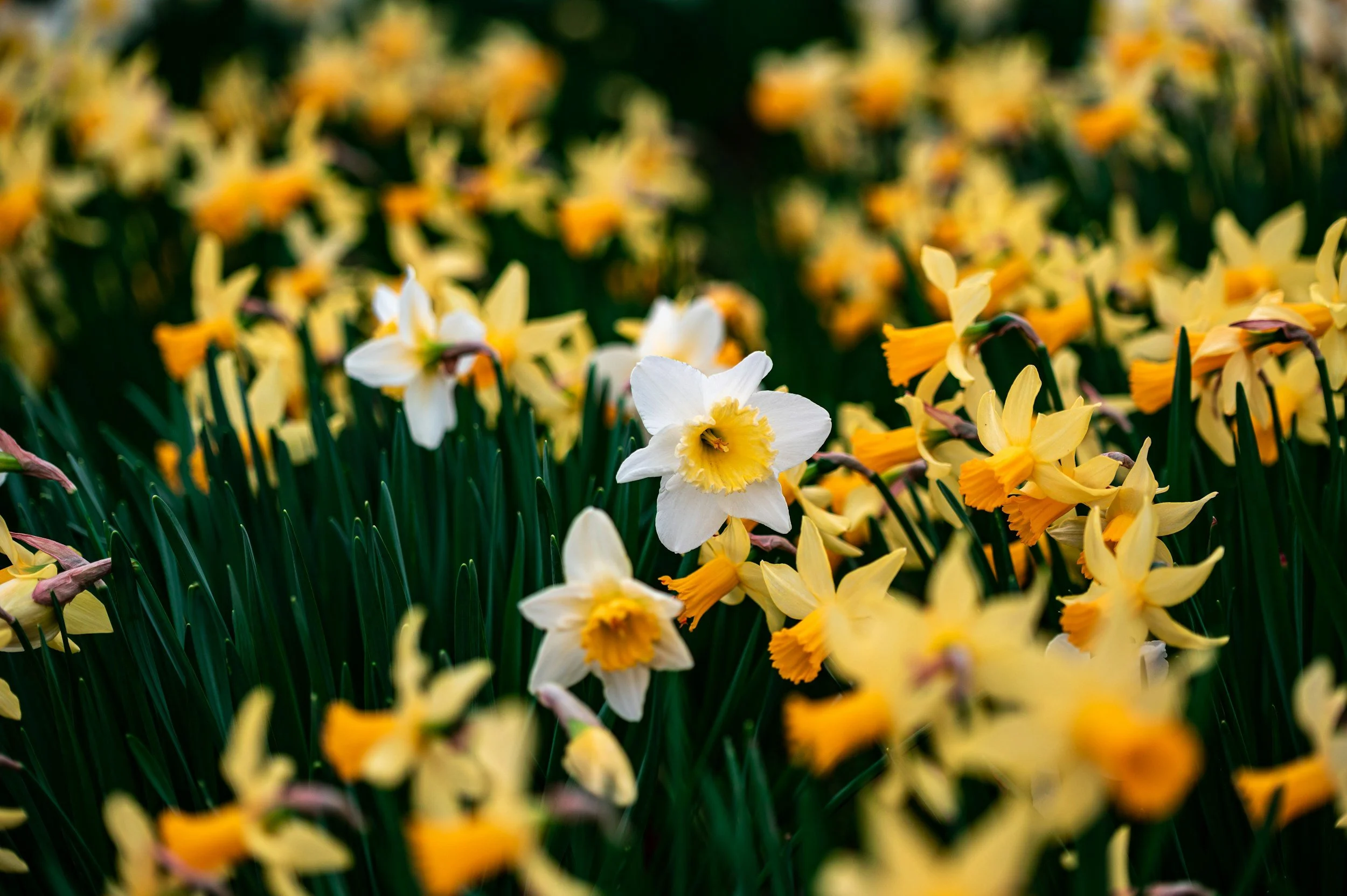
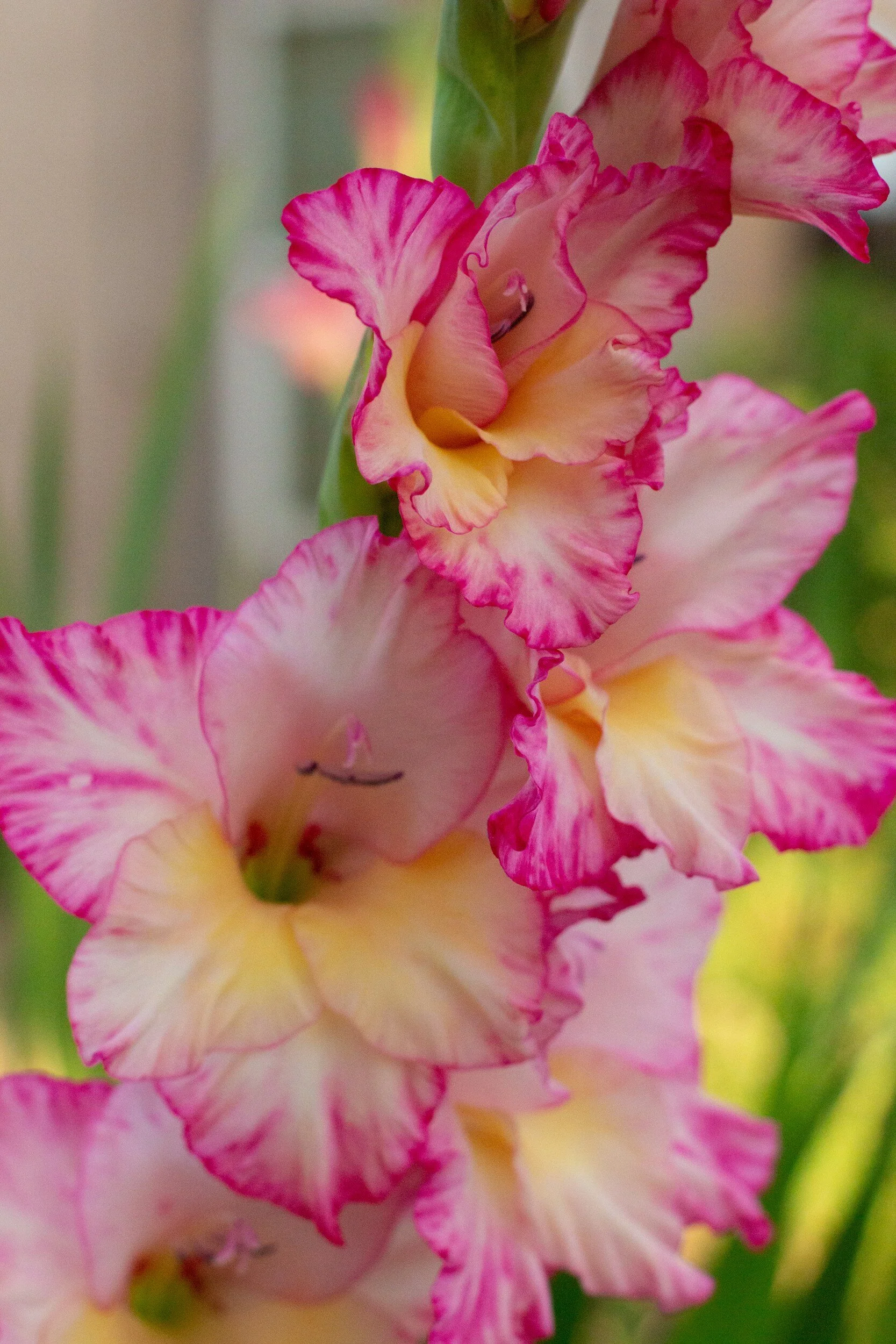


Here are the common ways your landscape is telling you it needs help.

Controlling fall and winter weeds is a constant battle. Here are some of the reasons control can be difficult.
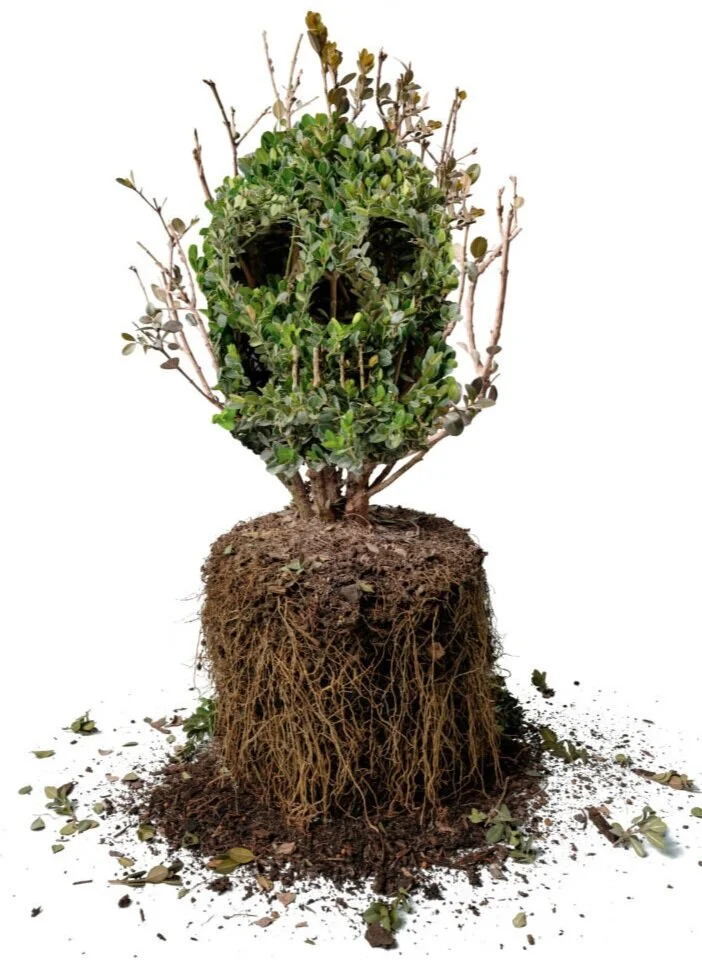
New Garden Landscaping & Nursery feels that Boxwood Blight could have a major impact on landscapes containing boxwood in the near future. Here’s what you need to know about the disease.
Since fall is the time to plant spring blooming bulbs, here are the answers to some common questions about bulbs.

Don't panic, there are a few common (and benign) reasons that trees drop leaves in summer.
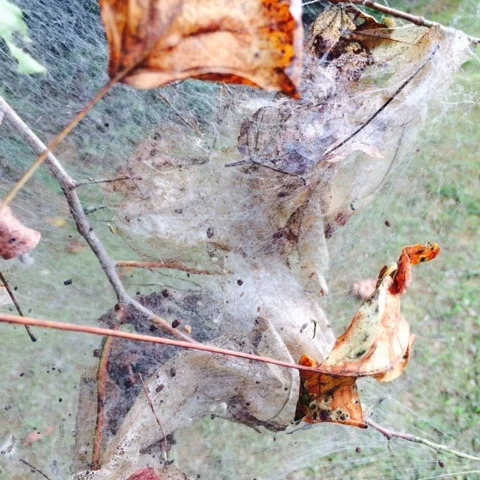
Ugh! What’s nastier than a sack of crawly caterpillars hanging from your trees? How about a dozen of ‘em?
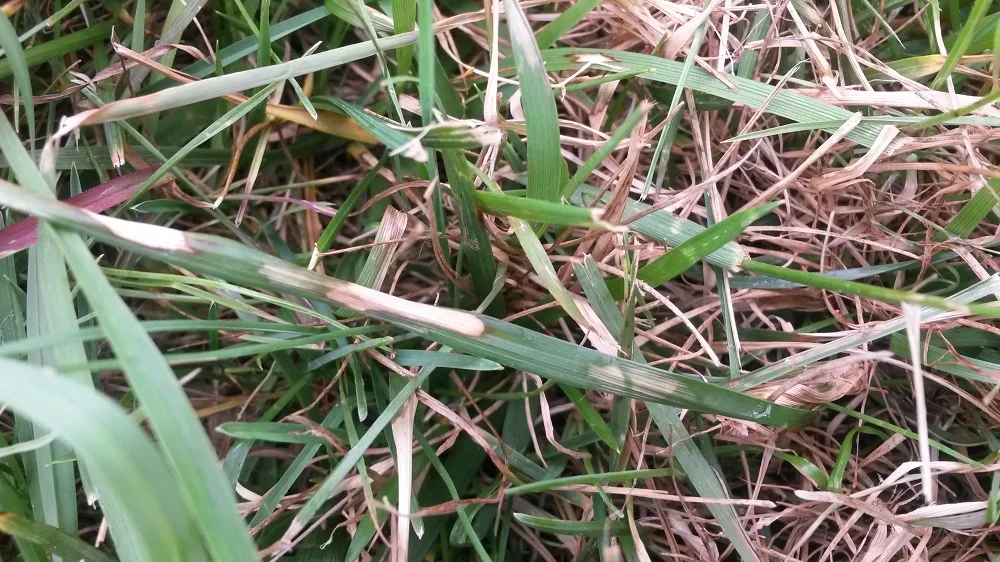
Quick tips for avoiding the fungal disease Brown Patch in lawns

Blueberries make great container plants! Watch this video from our friends at Espoma for tips and see how easy it is to grow blueberries in containers.

Good container plantings require little maintenance aside from watering and can enhance your home through the spring, summer, and fall.
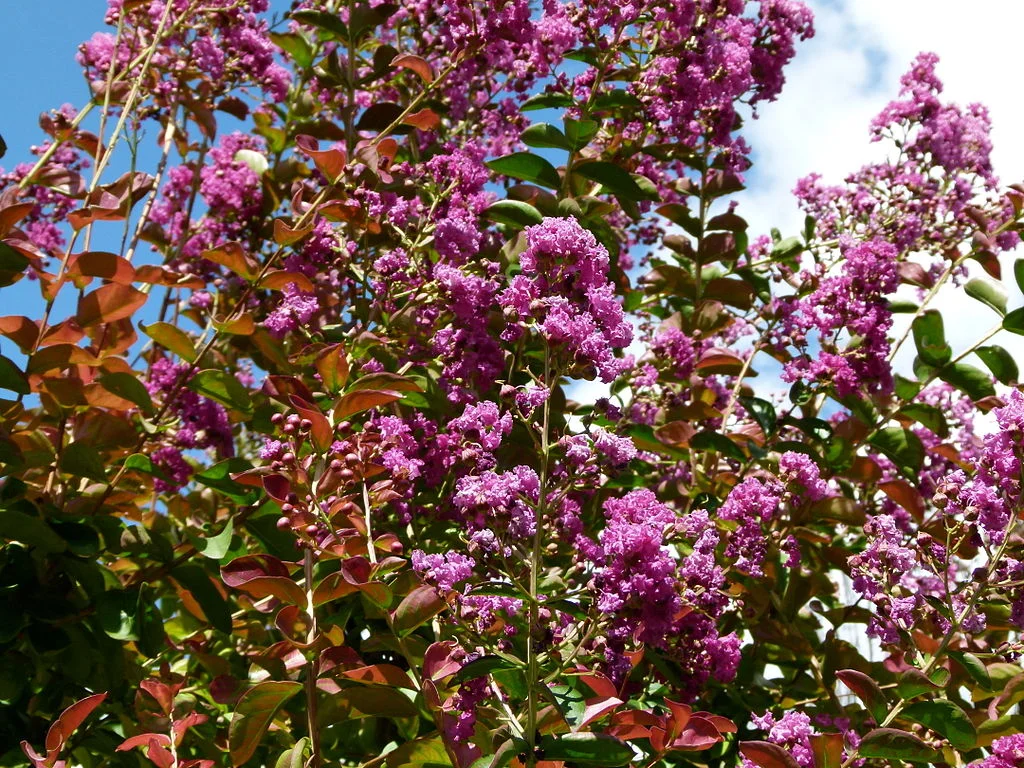
Unlike some other flowering plants, crapes will develop their flower buds on new growth.
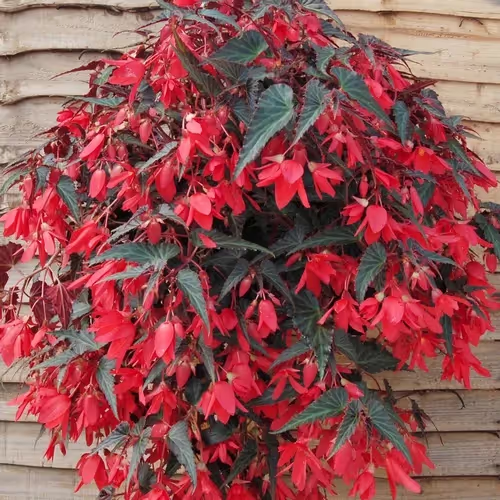
With over 1,700 different species, Begonias (family Begoniaceae) is the fifth most diverse class of plants.
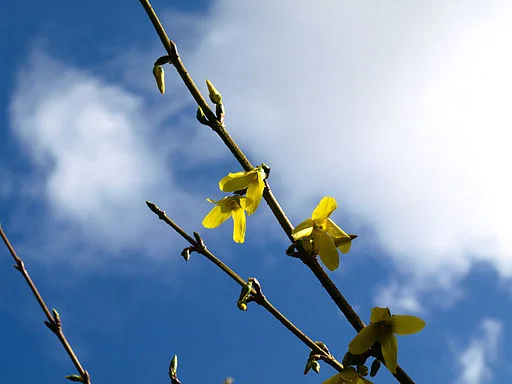
Is your forsythia starting to bloom for Christmas? Here's why some plants flower during warm winter days.

This is a question we have been asked frequently this fall.
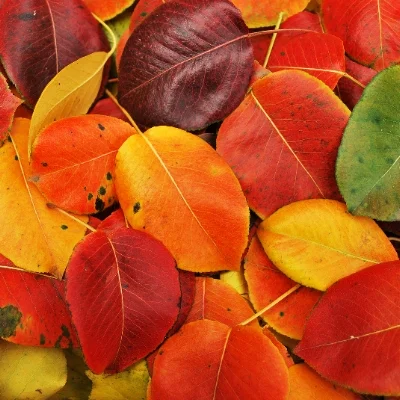
Where and why this is not bad advice, and where it’s a terrible idea.

Have a question or want to discuss your property? Fill out the form below, and we’ll get back to you as soon as we can!